
Full-day Hadong, Gwangyang, Cherry blossom, Green Tea Fields Private Tour
Viator Partner
预订由我们信赖的合作伙伴处理。您将被重定向到合作伙伴网站完成购买。
概览
-Recommend itinerary-
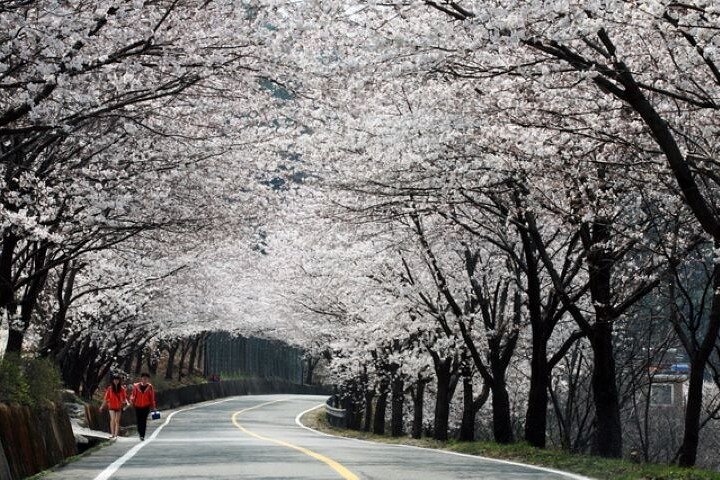
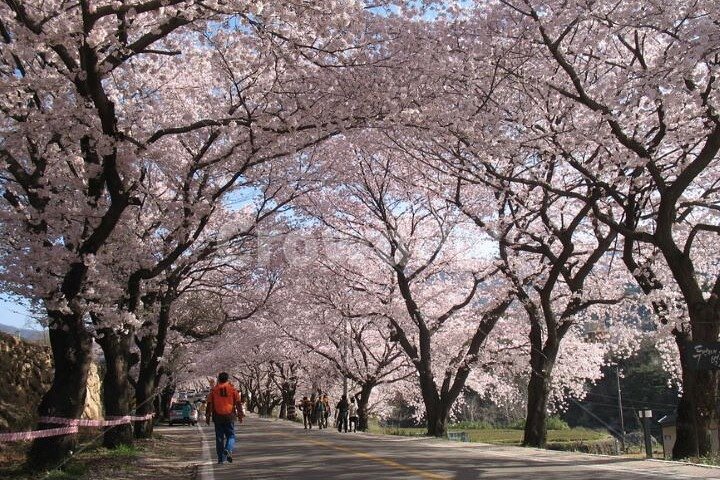
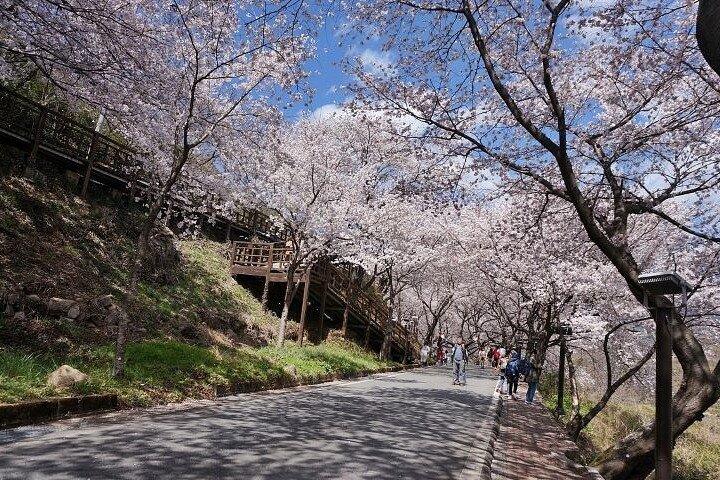
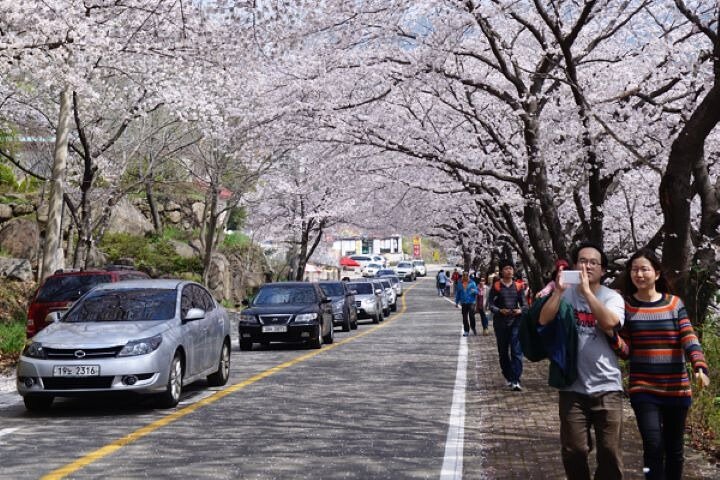
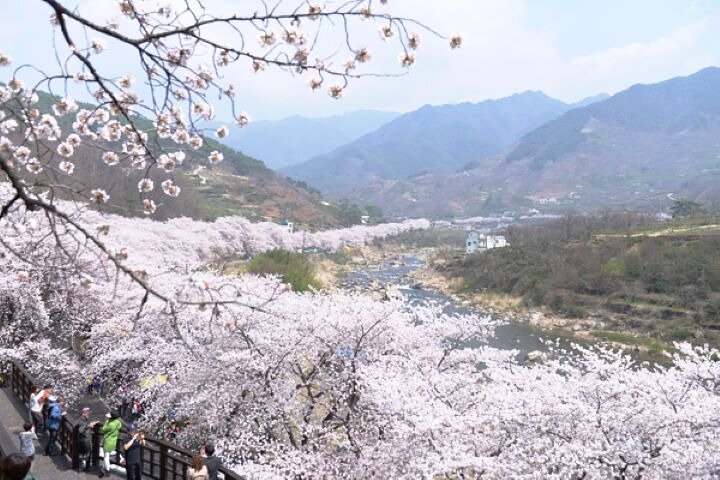
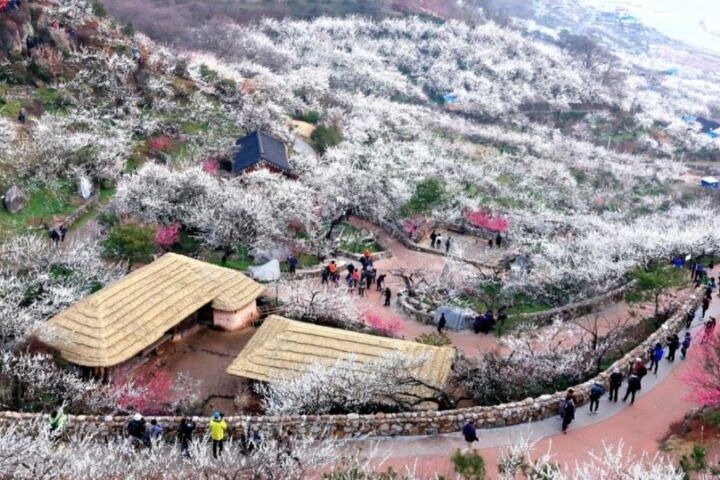
Hadong seomjin river cherry blossom road- Hwagae market- Ssanggyesa temple- Dosim dawon Green tea field- Hong-Ssangri Plum( apricot ) farm- Gwangyang beef BBQ town
包含内容
- Private transportation
- Free pickup and drop-off
- Guide + driver or driving guide
- Gas + toll + parking fees
不包含内容
- Meals
附加信息
票务信息
- Mobile or paper ticket accepted
- One per booking
行程选项
Small private Group (1-7pax)
Pickup included
Large private Group (8-15pax)
Pickup included
取消政策
For a full refund, cancel at least 24 hours before the scheduled departure time.
行程
I will pick up your location around 09.00 and then we driving down from busan to Hadong Cherry blossom seomjin river festival road arrive 10.30 and enjoy blooming forest street.
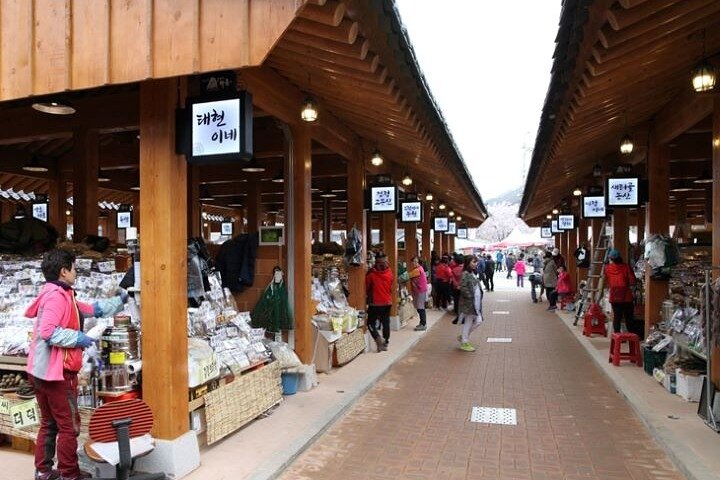
Hwagae Market is one of the five biggest traditional market, which once flooded with people. It also appears as the background setting in Kim Dong-ri's novel, Yeokma (which means stagecoach in English). The market is one of the most visited attractions along with Ssanggyesa Temple and Jirisan Mountain due to it's location near a cherry blossom path. A market that offers a variety of local products and delicacies, you could count the number of markets of this scale in Korea on one hand.
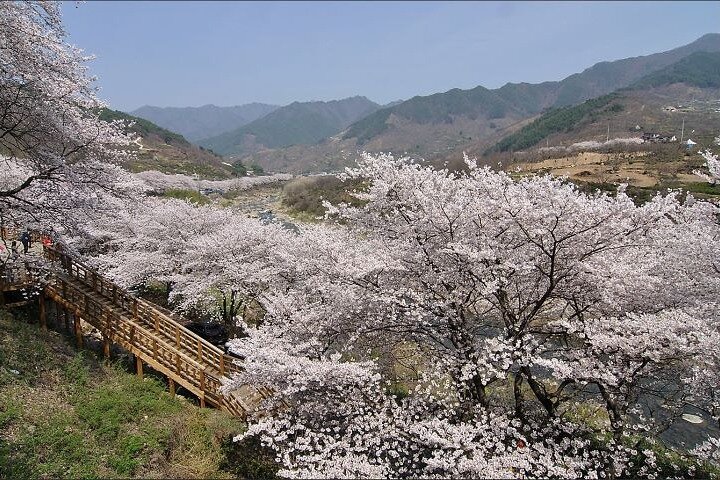
Ssanggyesa Temple was founded on the southern foothills of Jirisan Mountain in 722 during the reign of Silla King Seongdeok. The temple is famous for the 6-kilometer stretch of cherry blossom trees that bloom each spring. The temple was originally called Okcheonsa Temple but was changed to the current Ssanggyesa Temple in 887. The current temple buildings were all built-in 1632, after having been burned down during the Imjin War (1592-1598). The temple grounds and nearby area feature many historic and beautiful attractions, including Burilpokpo Falls and a large tea plantation.
The Hadong Tea Museum is located at the foot of Jirisan Mountain in Hadong, Gyeongsangnam-do. It aims to promote the tea culture of the area, the first tea producer in the nation while advertising the quality and superiority of Hadong green tea. The center is located adjacent to the tea farming area and Ssanggyesa Temple, one of Korea's most famous tourist attractions. The museum features an exhibition hall explaining the history and culture associated with Korean tea, an experience
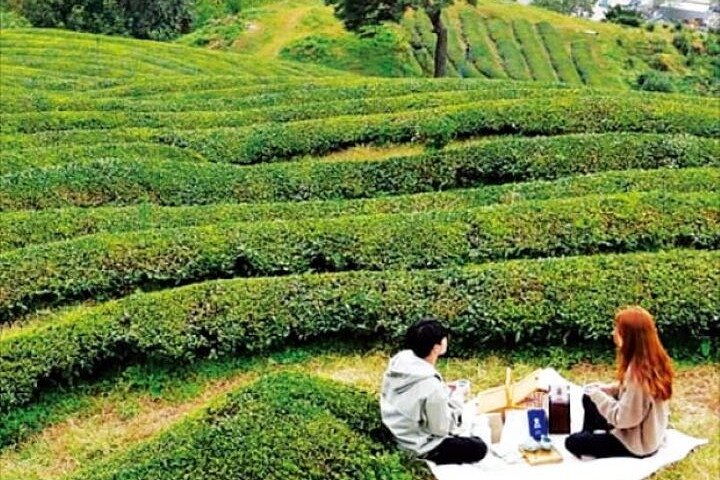
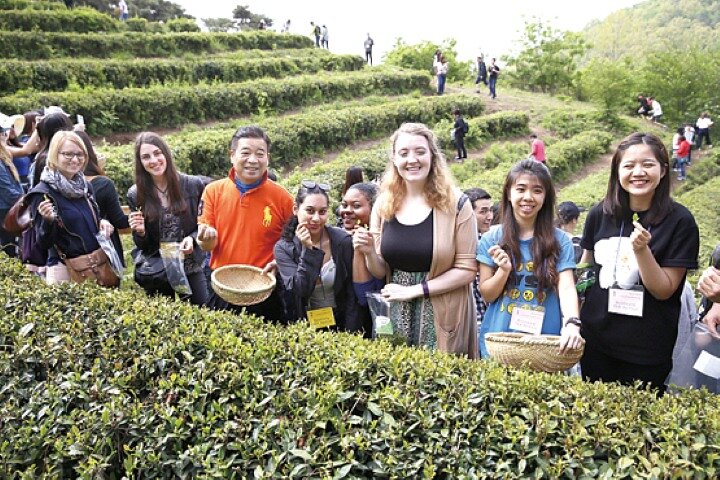
도심 다원 ("Dosim dawon Green tea fields") Hwagae-myeon located in Hadong county is known as the first Korean region to plant tea trees and is recognized for hand-made tea production. It is surrounded by Jiri Mountain at an altitude of 1,2 km. In Dosim Dawon at Hwagae-myeon, there is an ancient tea tree called Korea´s Oldest Tea Tree or Thousand-Year Tree, and there I also the original tea field in Ssanggye Temple, a Buddhist temple of 1000 years history. It represents the history of not only Korean tea as such but as the first region in Korea which grew tea plants. The tea field is mainly placed along the banks of Seomjin River on the slopes of the southern edge of Jiri Mountain. Tea trees grow between rocks and create beautiful picturesque landscape pictures.
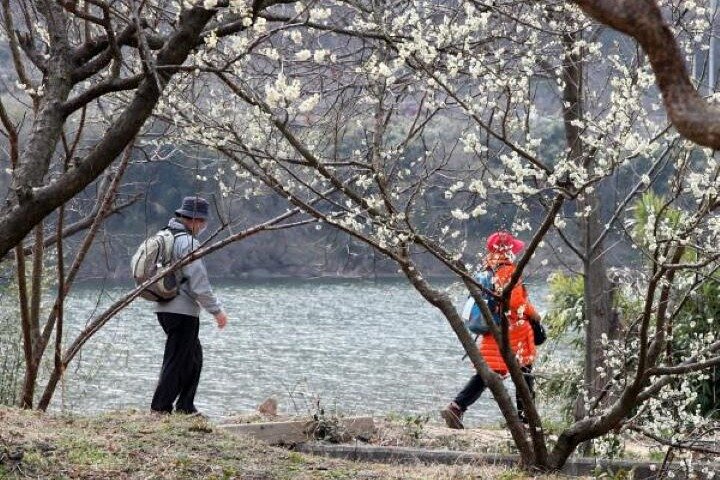
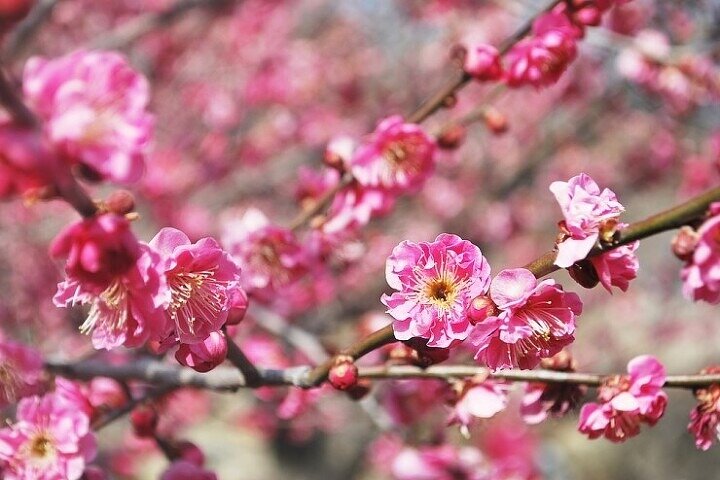
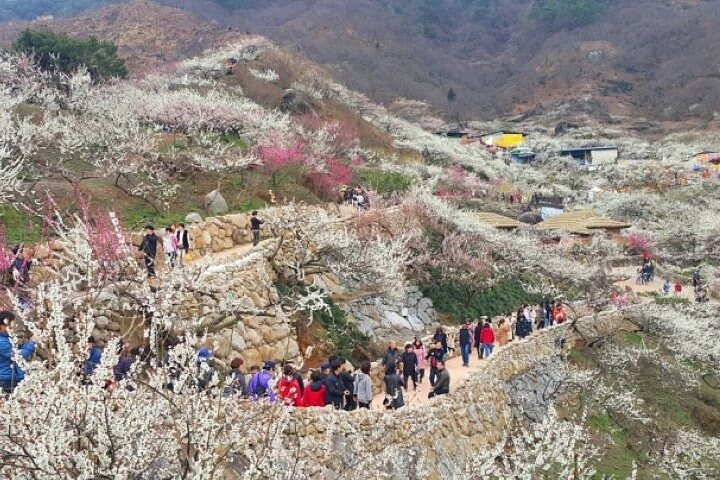
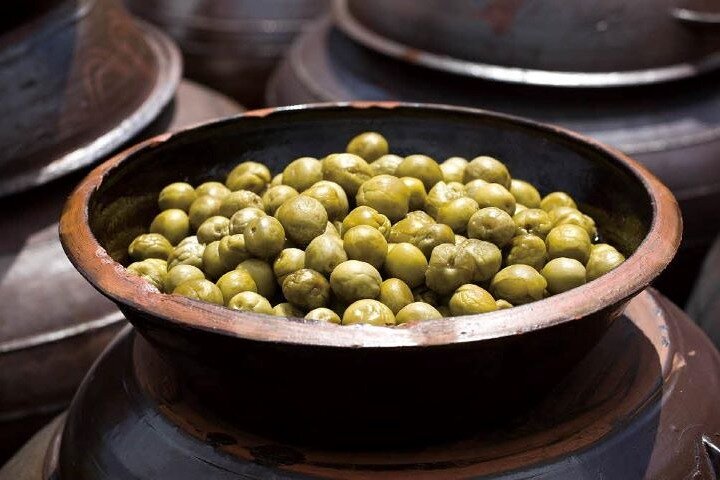
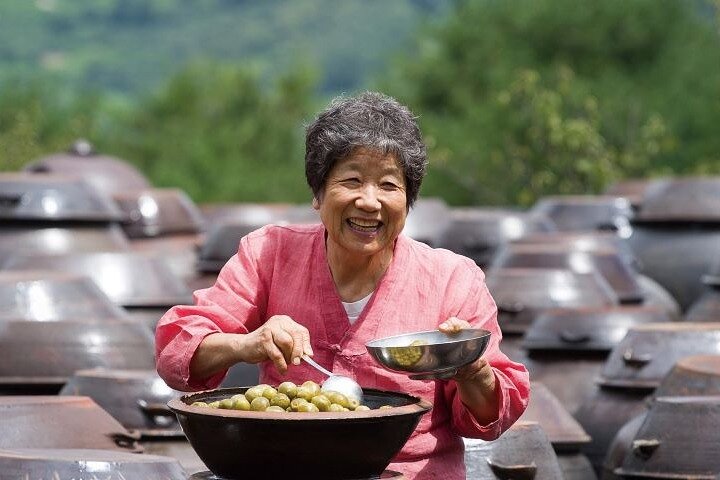
In 1965, Hong Ssang Ri (shown below) began to cultivate 2000 plum trees in the countryside of Gyeongnam Province. Maesil-Cheong is the Korean word for plum extract syrup. It can be used for cooking and direct consumption. Hong Ssang Ri's Maesil-Cheong is made with 100% Korean-grown plums. The fresh plums are harvested and covered with an oligosaccharide. It's then aged in traditional onggi jars for six months. The result is a delightfully tart and sweet extract. Many home cooks use Maesil-Cheong as a substitute for sugar in Korean cooking. That's because it's sweet like sugar but much healthier - packed with vitamins, antioxidants, and aids in digestion. Some people drop a few spoonfuls in water and drink it as iced plum tea.
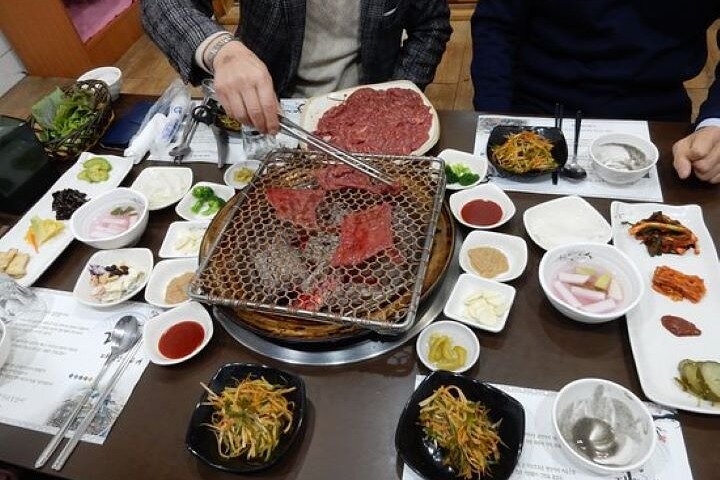
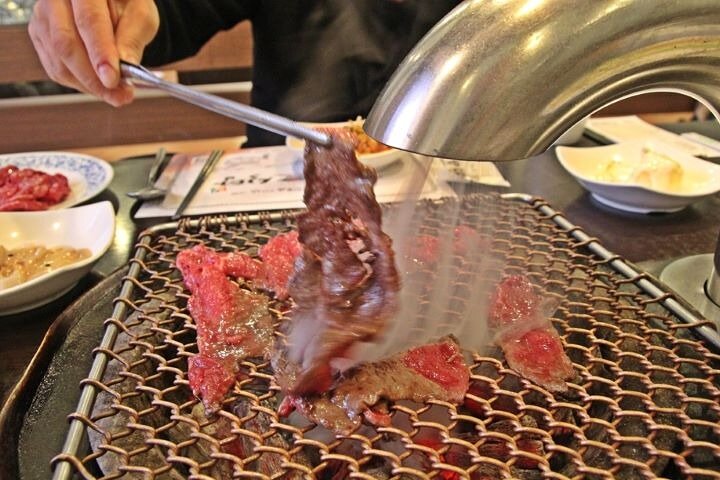
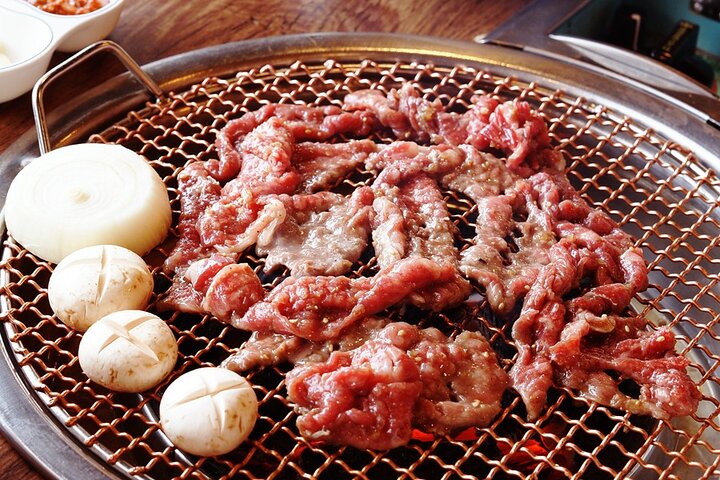
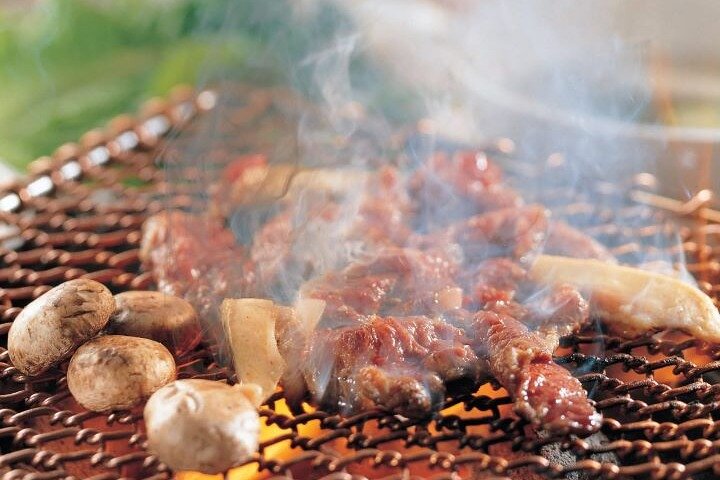
광양 불고기 특화거리 ("Gwangyang famous Korea traditional beef BBQ,Bulgogi alley") Bulgogi is considered as the most famous Korean food that is beloved by foreigners. There are many kinds of Korean signature barbeque foods, but bulgogi has been never knocked off the top. Soft beef mixed with sweet sauce won’t let you stop eating, and then you would fall in love with Korean food. Gwangyang bulgogi has a unique taste based on a special seasoning that is buried in tradition. The side dishes, not only the bulgogi, are very delicious.
After dinner and we will driving from Gwngyang city to Busan around 1 hour 40 min and then drop off same as start point.
可用语言
位置
Busan, South Korea
周边推荐
发现此位置附近的更多地点


![康特酒店(Hotel Cont)[韩国旅游品质认证/Korea Quality] (호텔콘트[한국관광 품질인증/Korea Quality])](https://images.whatmytrip.com/images/2669332/main.webp)


![[事后免税店]正官庄釜山站店(정관장 부산역)](https://images.whatmytrip.com/images/2975883/main.webp)

![[事后免税店]ARTBOX釜山西面店(아트박스 부산서면)](https://images.whatmytrip.com/images/2974879/main.webp)


![松岛云端散步路(天空步道) [송도 구름산책로(스카이워크)]](https://images.whatmytrip.com/images/2666945/main.webp)

