Travel Tips
Best Time to Visit Korea
December 7, 20256 min read
Korea experiences four distinct seasons, each offering unique experiences and beauty. The best time to visit depends entirely on what you want to see and do. This comprehensive guide breaks down what to expect each month, helping you plan the perfect Korean adventure regardless of when you travel.
Spring (March - May): Cherry Blossoms and Renewal
March marks the transition from winter to spring. Temperatures start to rise, but evenings remain chilly. It's a quieter time for tourism, making it ideal for those who prefer fewer crowds.
April is Korea's most magical month. Cherry blossoms (벚꽃) sweep across the country from south to north. Jinhae hosts the country's largest cherry blossom festival, while Yeouido in Seoul offers stunning riverside views. Book accommodations well in advance—this is peak season.
May brings comfortable temperatures and lush greenery. The famous Lotus Lantern Festival celebrates Buddha's birthday with elaborate parades. It's an excellent time for outdoor activities before the summer humidity arrives.
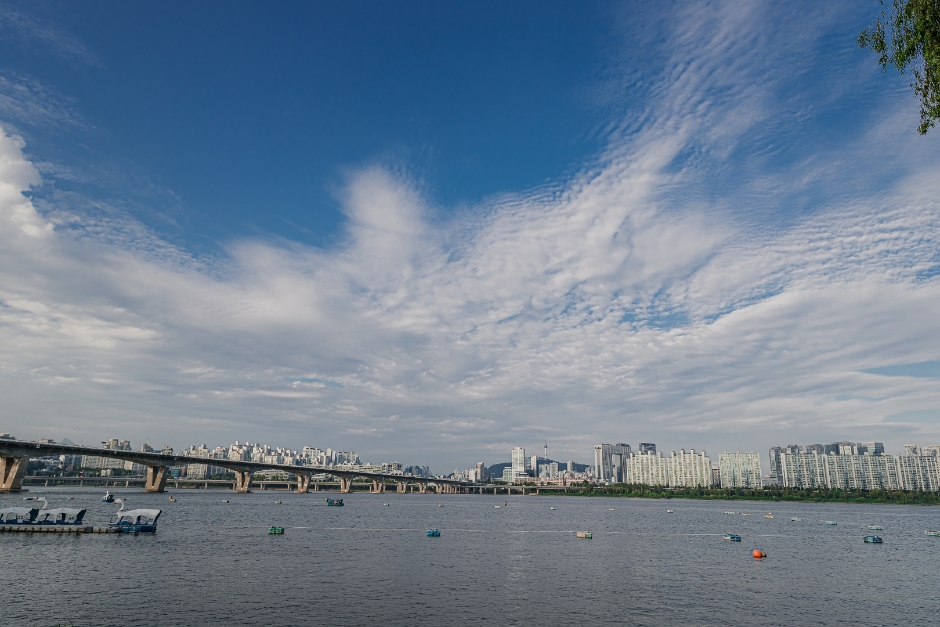
Summer (June - August): Beaches and Monsoons
June starts pleasant but leads into monsoon season (장마) which typically runs late June through July. Expect heavy rainfall and high humidity. Despite the weather, this is when Korea's lush mountains are at their greenest.
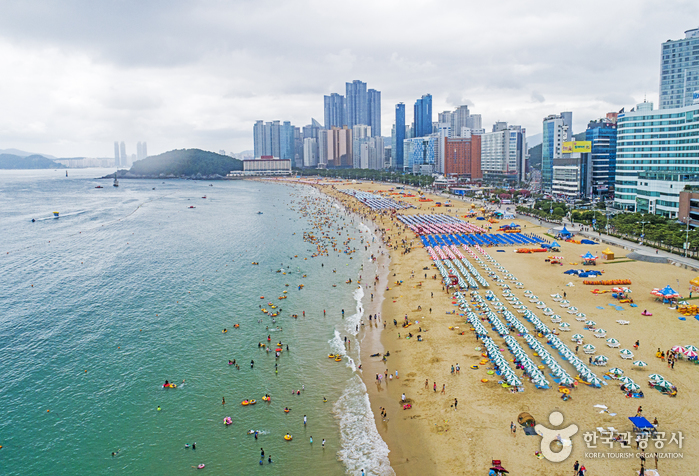
July and August are hot and humid, but Koreans embrace summer with enthusiasm. Beaches along the east coast—Gangneung, Busan, Sokcho—come alive. Valley camping and water parks are popular escapes from the city heat.
Summer is also festival season: the Boryeong Mud Festival in July draws international crowds, while Busan's Sea Festival offers beach parties and fireworks. Just be prepared for the heat and occasional typhoons.
Autumn (September - November): Colors and Cuisine
September sees summer fade into comfortable autumn. Chuseok (Korean Thanksgiving) falls in September or October—while some businesses close, it's a wonderful time to experience Korean traditions.
October is widely considered the best month to visit Korea. Fall foliage transforms the mountains into seas of red, orange, and gold. Seoraksan National Park and Naejangsan are particularly stunning. The weather is crisp and clear—perfect for hiking and outdoor exploration.
November brings cooler temperatures and the last of the autumn colors. It's an excellent time for temple stays and hot spring visits as the country prepares for winter.
![Changdeokgung Palace Complex [UNESCO World Heritage Site] (창덕궁과 후원 [유네스코 세계유산])](https://tong.visitkorea.or.kr/cms/resource/03/3092503_image2_1.jpg)
Winter (December - February): Snow and Festivities
December brings cold weather and festive atmosphere. Korean cities sparkle with Christmas lights, and ski resorts open for the season. Ice fishing festivals in Gangwon Province offer unique winter experiences.
January and February are the coldest months, with temperatures often dropping below -10°C in Seoul. But this is prime time for winter sports—Korea's ski resorts, many used in the 2018 Olympics, offer excellent conditions. Seoul's palace grounds, dusted with snow, take on a fairy-tale quality.
Winter food is a highlight: steaming bowls of samgyetang (ginseng chicken soup), bubbling kimchi jjigae, and sweet hotteok from street vendors. The cold becomes more bearable with a makgeolli (rice wine) in hand at a traditional tavern.
Final Thoughts
There's truly no bad time to visit Korea—each season offers its own charm and unique experiences. Spring and autumn are most popular for good reason, but summer and winter have their own magic. Consider what matters most to you: cherry blossoms, beach weather, fall foliage, or snow-capped mountains. Whatever you choose, Korea will welcome you with beauty and warmth year-round.
Ready to explore more of Korea?
View all travel guides