Korean Desserts & Dessert Cafes: A Sweet Guide to Bingsu, Hotteok, and Modern Cafes
Korean dessert culture operates on two parallel tracks. One is ancient — yakgwa honey cookies that show up in royal court paintings, patbingsu iterations that go back more than a century. The other is whatever happened in the last ten years, when Seoul became a capital of concept cafes where dessert is indistinguishable from art installation. This guide covers both, with the specific dishes, the right seasons, and the cafes worth building a half-day around.
Traditional Desserts to Know
Bingsu: The Shaved Ice Tradition
Related Places
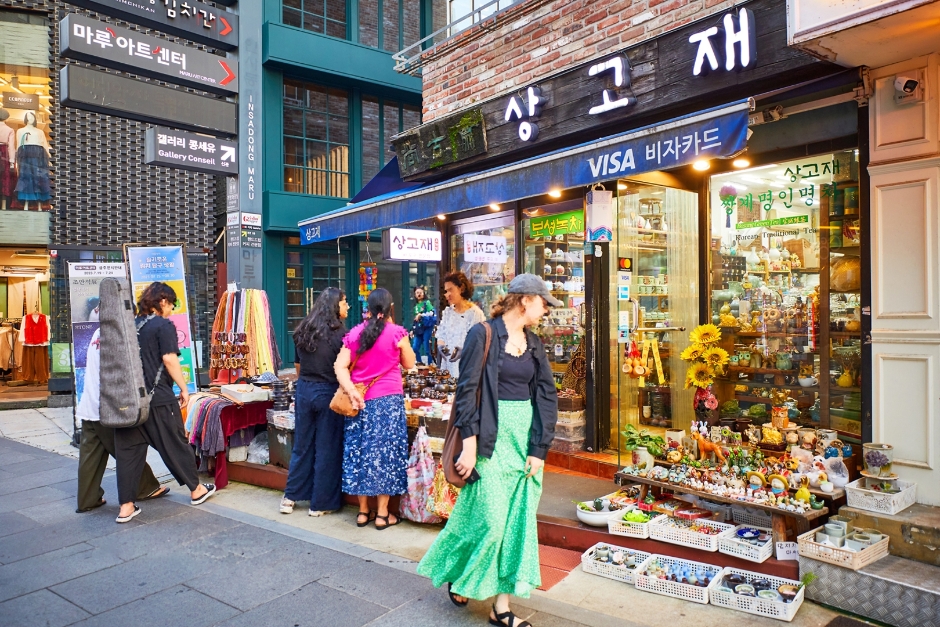
Modern Concept Dessert Cafes
Related Places
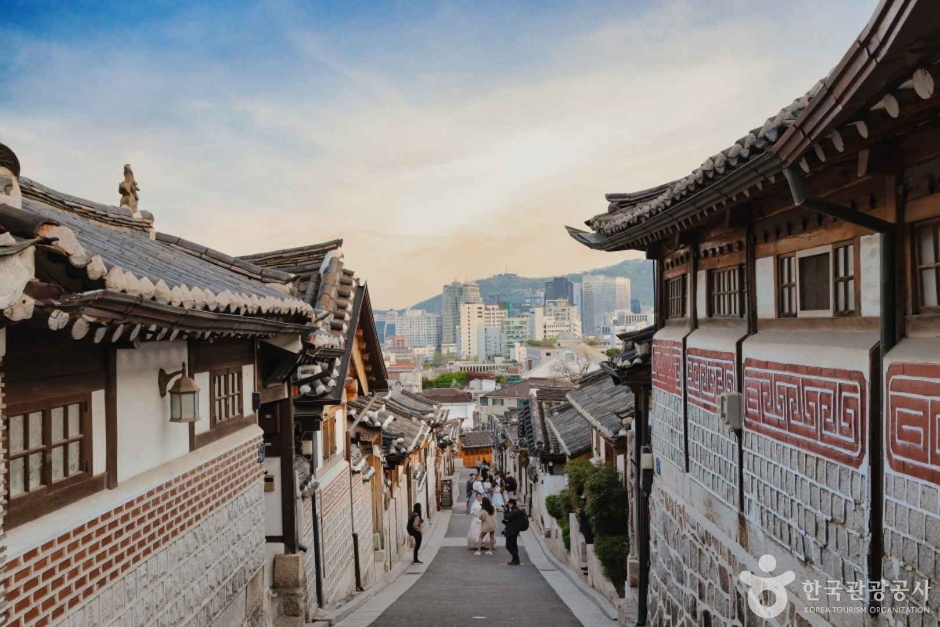
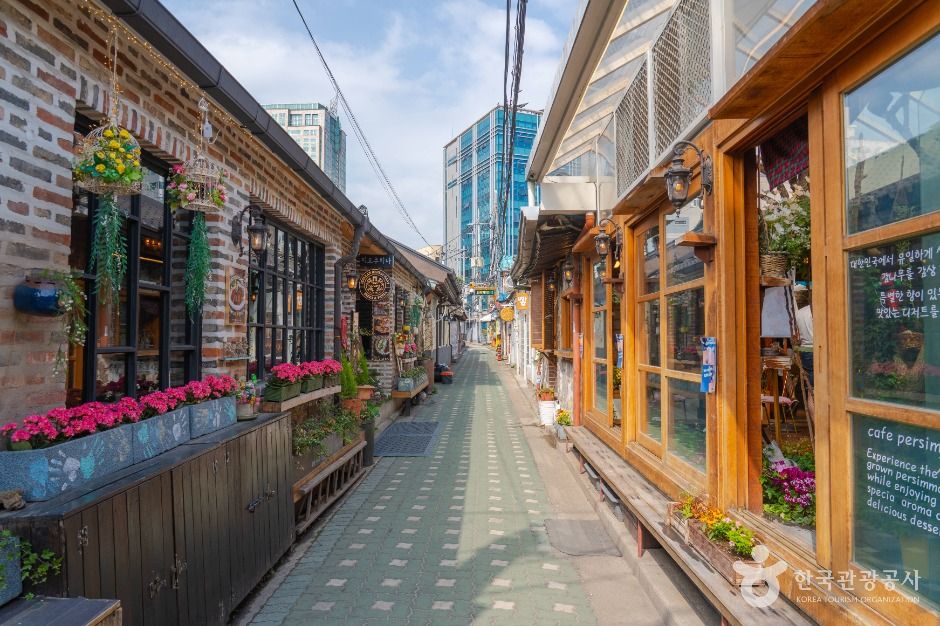
Hanok Tea Houses and Traditional Dessert Experiences
Food Streets and Worth-the-Detour Spots
Final Thoughts
Dessert in Korea covers a range from 2,000-won bungeoppang bought from a winter street cart to 45,000-won concept pastry at a Seongsu installation cafe. The extremes are both worth experiencing — not because one is 'authentic' and the other is 'tourist-y,' but because both tell you something about how Koreans actually eat sweet food. A reasonable sampler for a first trip: one street-food dessert (hotteok or bungeoppang in season), one hanok tea house afternoon (Insadong or Bukchon), one concept cafe (Nudake or Cafe Onion), one bingsu, and one traditional confectionery souvenir (yakgwa or gaeseong juak). If you manage that across three or four days, you've covered the shape of the thing.
More Guides
Korean Food Guide
Navigate Korean cuisine with confidence. From BBQ etiquette to street food essentials, everything you need to know about eating like a local in Korea.
Korean BBQ Guide
Master the art of Korean barbecue—from choosing cuts to grilling techniques and proper etiquette.
Korean Seafood Guide
Navigate Korea's seafood culture—raw fish, grilled shellfish, and fish markets where dinner is still swimming.
Korean Fried Chicken
Master Korea's legendary fried chicken—from yangnyeom to delivery culture and the best spots.
Korean Street Food
Navigate Korea's street food scene like a local—from tteokbokki to hotteok and everything in between.
Korean Café Culture
Discover why Korea has the world's highest density of cafés and how coffee shops became cultural institutions.
Korean Drinking Culture
Understand Korea's distinctive drinking traditions and discover where to experience traditional and craft beverages.
Korean Noodles Guide: From Naengmyeon to Kalguksu
Beyond ramen, Korea has an entire noodle universe — Pyongyang-style cold noodles, knife-cut wheat noodles, buckwheat makguksu, and the soups and mixes that round it out. A practical eater's guide.
Korean Convenience Store Food: A Practical Guide
What to actually eat at a Korean convenience store, how the self-service ramen station works, and how the chains differ. CU, GS25, and 7-Eleven, explained without the YouTube hype.
Korean Tteokbokki Guide: Types, Best Spots, And How To Order
Tteokbokki isn't one dish — it's at least five styles, from the original royal-court soy version to modern rosé tteokbokki. A guide to where it came from, where to eat it, and what to order.
Korean Kimchi Guide: Types, Regions, Where To Try
Kimchi isn't a single dish — there are dozens of varieties, regional styles, and a household-level fermentation tradition that UNESCO recognized in 2013. Here's how to actually understand it.
Korean Bibimbap Guide: Styles, Top Spots, How To Eat
Bibimbap isn't a single dish — Jeonju and Jinju have their own versions, dolsot is a 1960s invention, and the in-flight version is what made it global. A guide to where to eat each one.