Korean Street Food
Korean street food ranges from quick snacks to full meals, available everywhere from traditional markets to trendy food stalls. Unlike restaurant dining, street food is casual, affordable, and designed for eating while walking or standing at plastic tables. This guide covers the essential items you'll encounter, where to find the best versions, and how to order like a local.
The Classics Everyone Knows
Related Places
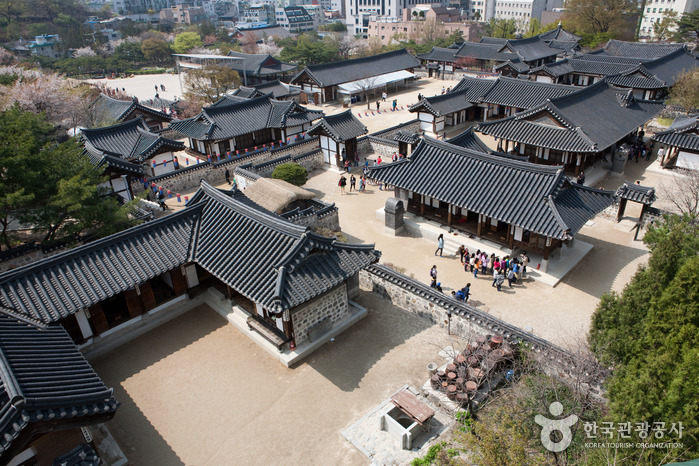
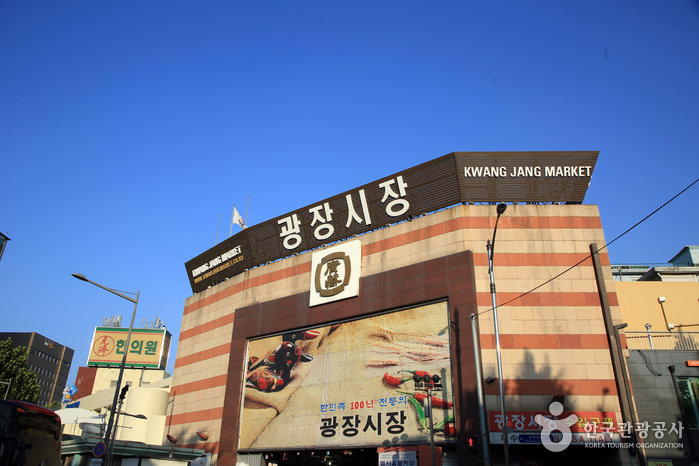
Beyond the Basics
Related Places
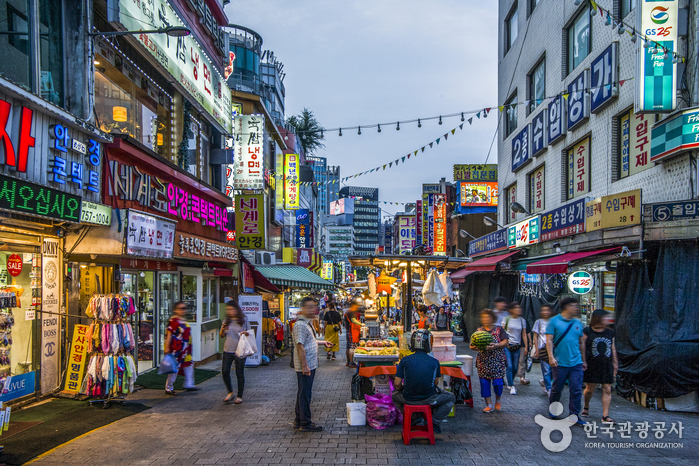
Where to Find the Best
Ordering and Eating Tips
Final Thoughts
Korean street food isn't just about the food—it's about the experience of standing at a crowded market stall, eating tteokbokki from a paper cup, and watching vendors who've perfected their craft over decades. Prices are low, portions are generous, and the flavors are bold. Whether you're grabbing hotteok on a cold day or working through the offerings at Gwangjang Market, street food offers some of Korea's most authentic and memorable eating experiences.
More Guides
Korean Food Guide
Navigate Korean cuisine with confidence. From BBQ etiquette to street food essentials, everything you need to know about eating like a local in Korea.
Korean BBQ Guide
Master the art of Korean barbecue—from choosing cuts to grilling techniques and proper etiquette.
Korean Seafood Guide
Navigate Korea's seafood culture—raw fish, grilled shellfish, and fish markets where dinner is still swimming.
Korean Fried Chicken
Master Korea's legendary fried chicken—from yangnyeom to delivery culture and the best spots.
Korean Café Culture
Discover why Korea has the world's highest density of cafés and how coffee shops became cultural institutions.
Korean Drinking Culture
Understand Korea's distinctive drinking traditions and discover where to experience traditional and craft beverages.
Korean Noodles Guide: From Naengmyeon to Kalguksu
Beyond ramen, Korea has an entire noodle universe — Pyongyang-style cold noodles, knife-cut wheat noodles, buckwheat makguksu, and the soups and mixes that round it out. A practical eater's guide.
Korean Desserts & Dessert Cafes: A Sweet Guide to Bingsu, Hotteok, and Modern Cafes
From traditional honey cookies to Gentle Monster's avant-garde pastry counter, Korean dessert culture spans six hundred years and a dozen distinct cafe types. Here's what to order and where.
Korean Convenience Store Food: A Practical Guide
What to actually eat at a Korean convenience store, how the self-service ramen station works, and how the chains differ. CU, GS25, and 7-Eleven, explained without the YouTube hype.
Korean Tteokbokki Guide: Types, Best Spots, And How To Order
Tteokbokki isn't one dish — it's at least five styles, from the original royal-court soy version to modern rosé tteokbokki. A guide to where it came from, where to eat it, and what to order.
Korean Kimchi Guide: Types, Regions, Where To Try
Kimchi isn't a single dish — there are dozens of varieties, regional styles, and a household-level fermentation tradition that UNESCO recognized in 2013. Here's how to actually understand it.
Korean Bibimbap Guide: Styles, Top Spots, How To Eat
Bibimbap isn't a single dish — Jeonju and Jinju have their own versions, dolsot is a 1960s invention, and the in-flight version is what made it global. A guide to where to eat each one.